





Creating Effective Office Workspaces
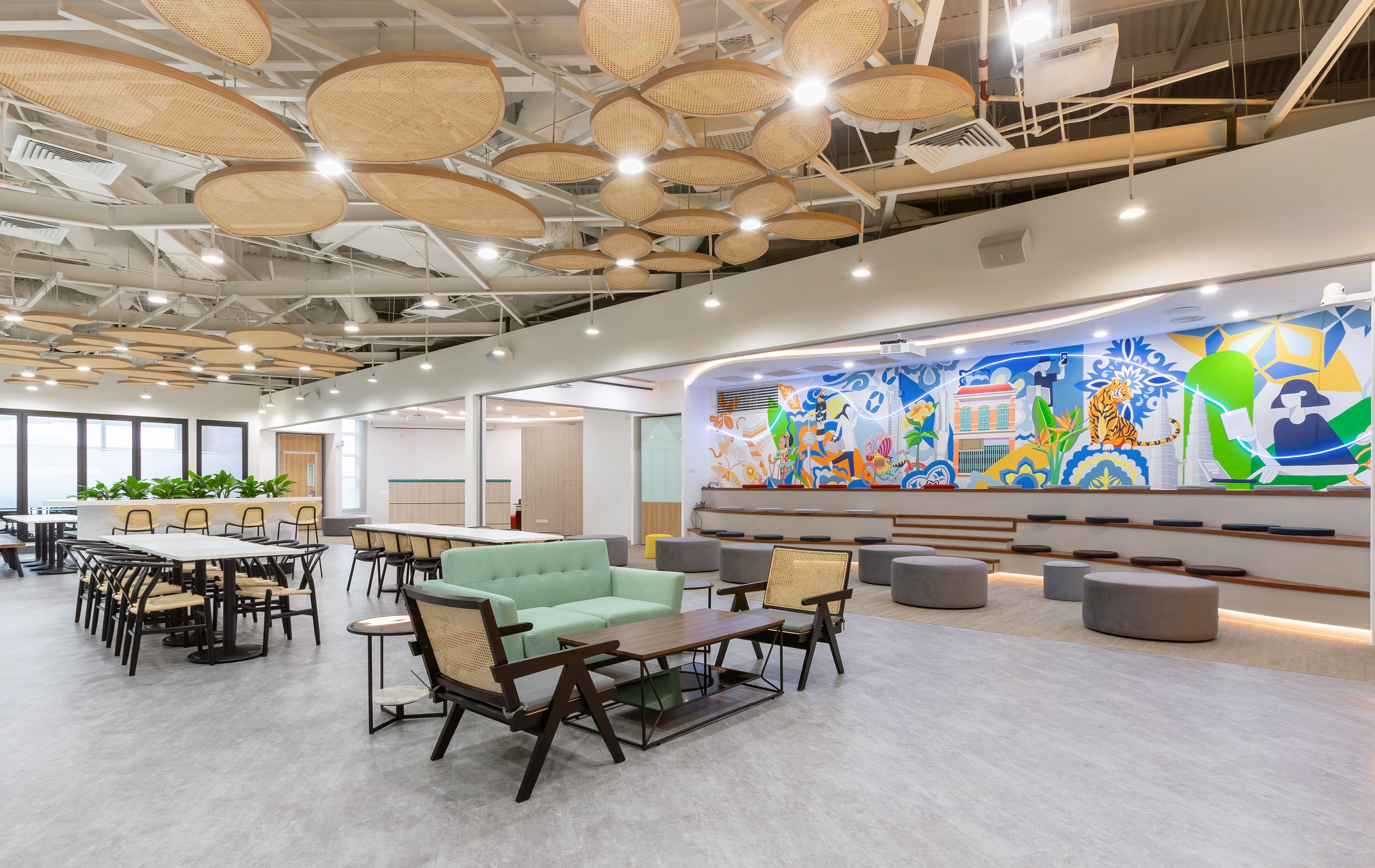
Designing an office workspace requires careful consideration of various factors that influence productivity and employee satisfaction. A well-designed workspace can enhance collaboration, creativity, and overall morale.
Ergonomics
One of the key elements in office design is ergonomics. Providing comfortable furniture and equipment is crucial for reducing strain and promoting health. Adjustable desks and supportive chairs are becoming standard in modern offices.
Open vs. Closed Spaces
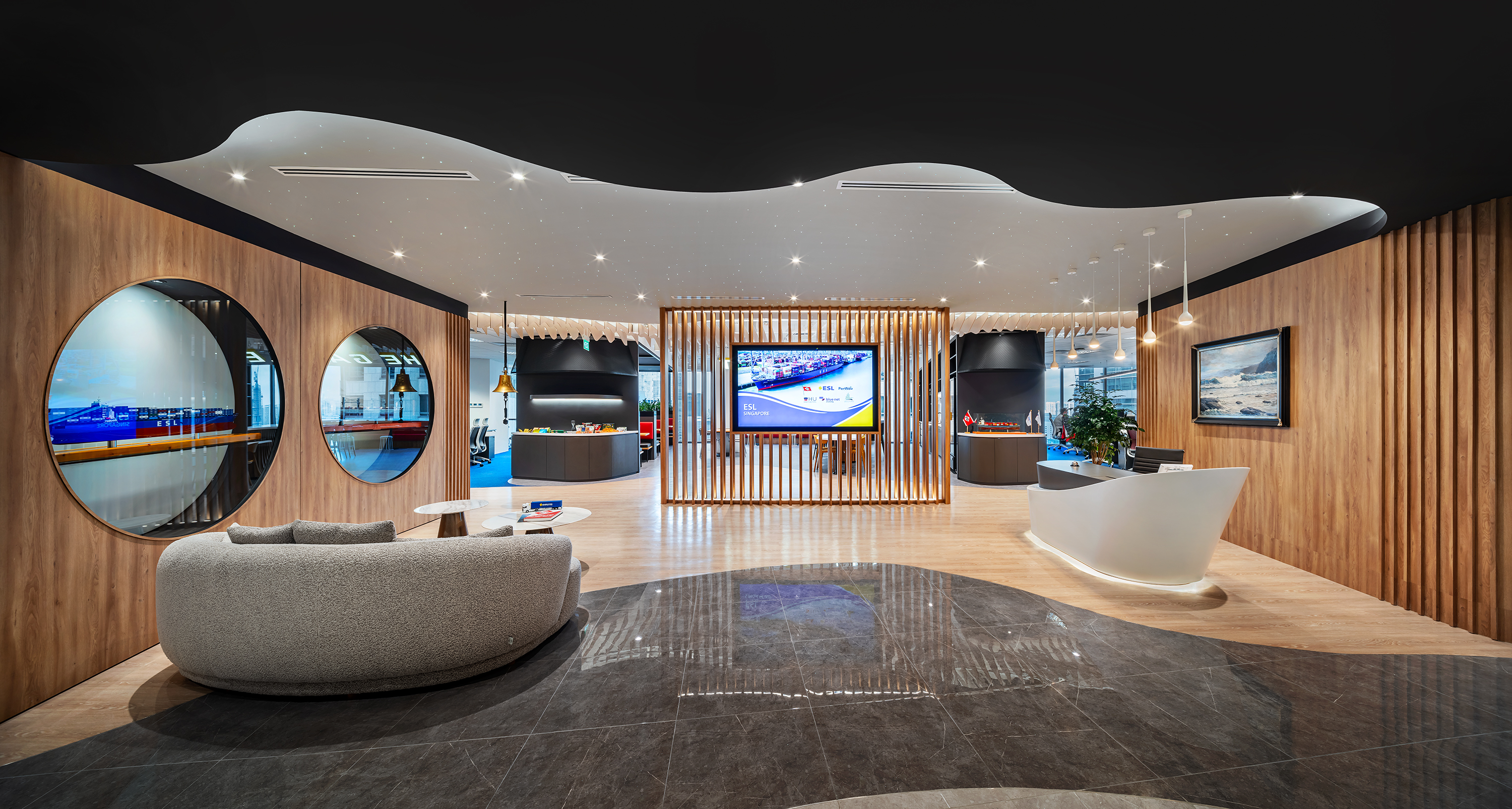
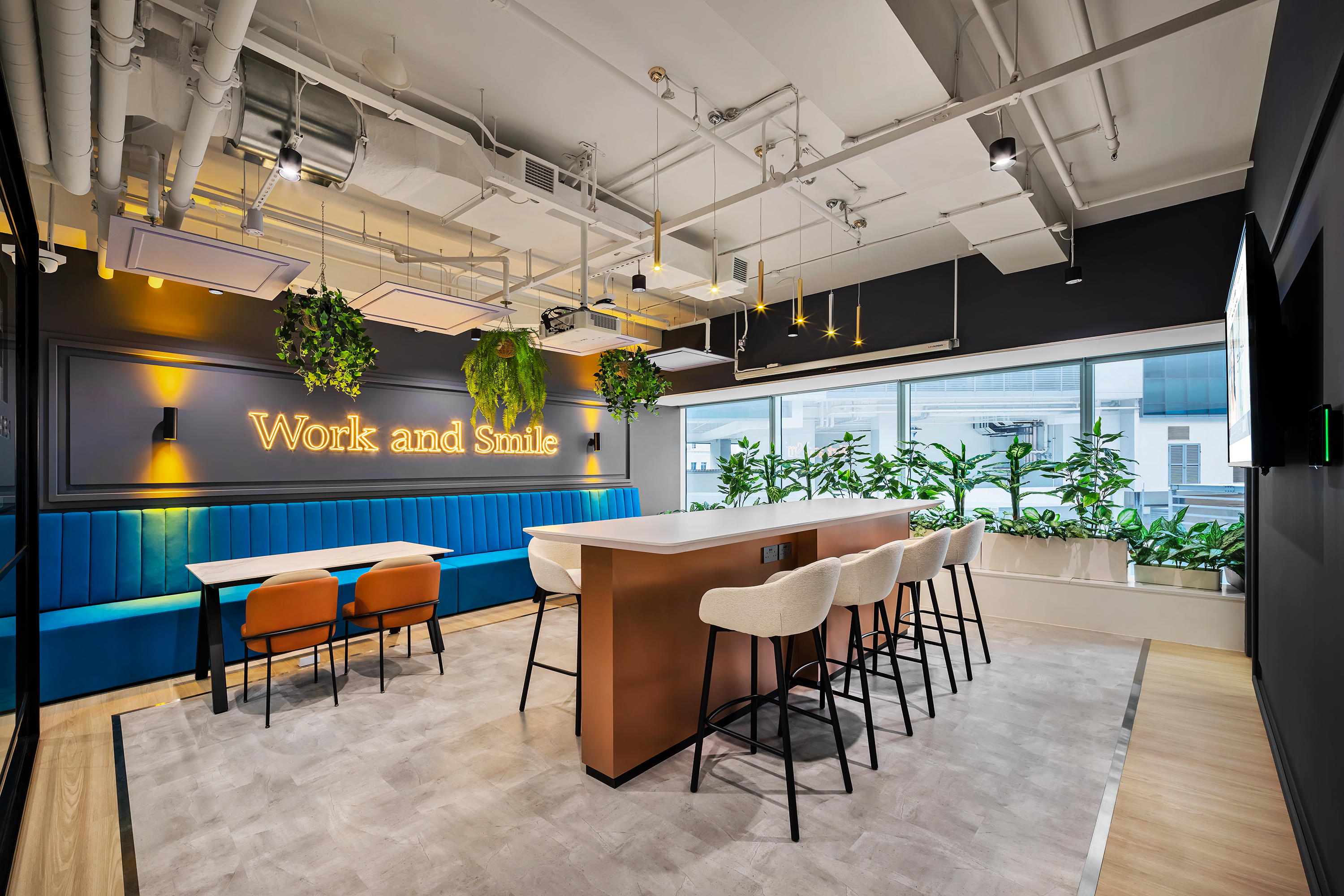
Another important consideration is the balance between open and closed spaces. While open layouts encourage collaboration, private areas are necessary for focused work. A successful design incorporates both elements to cater to different work styles.
Capitalising on investment
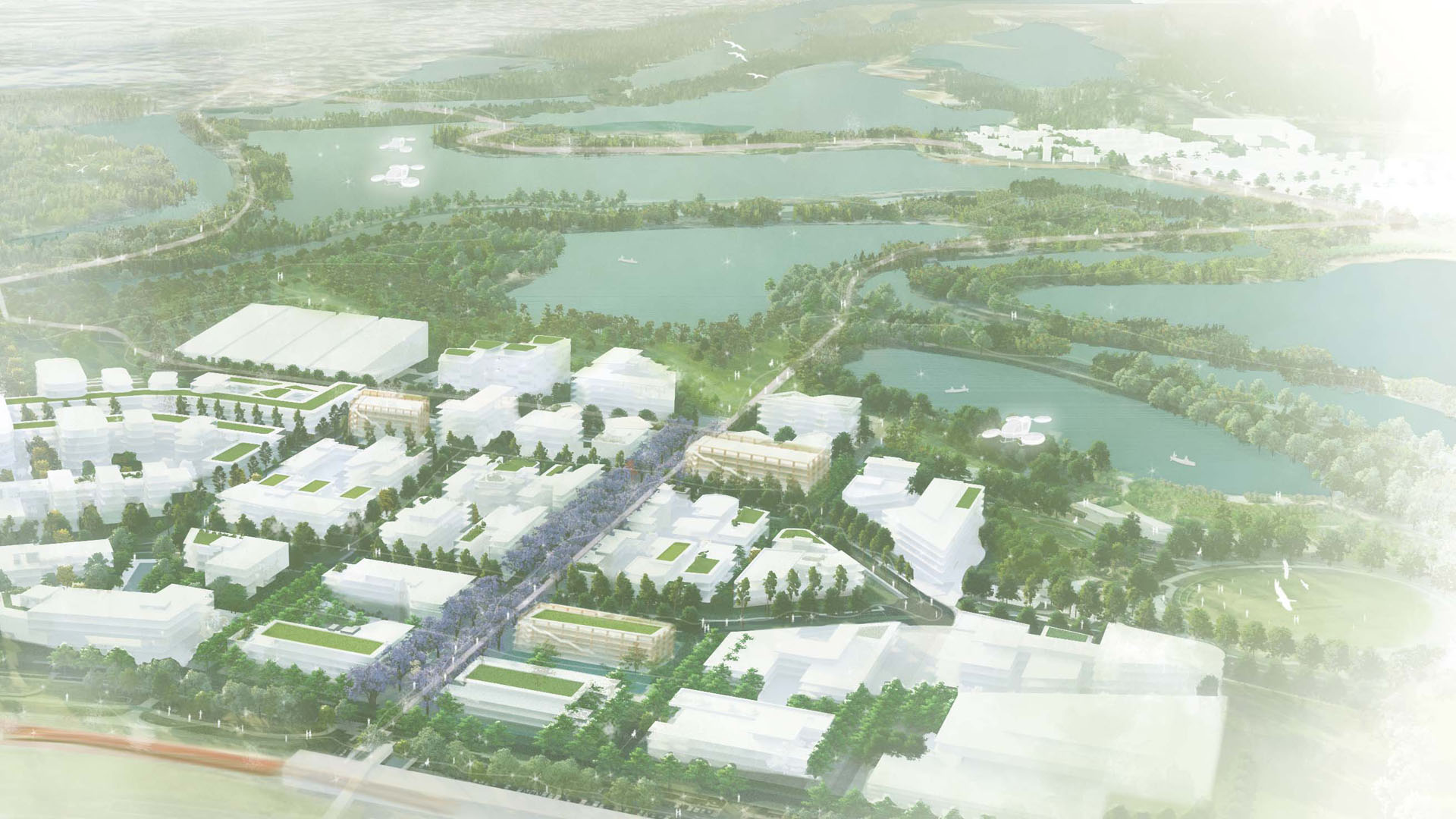
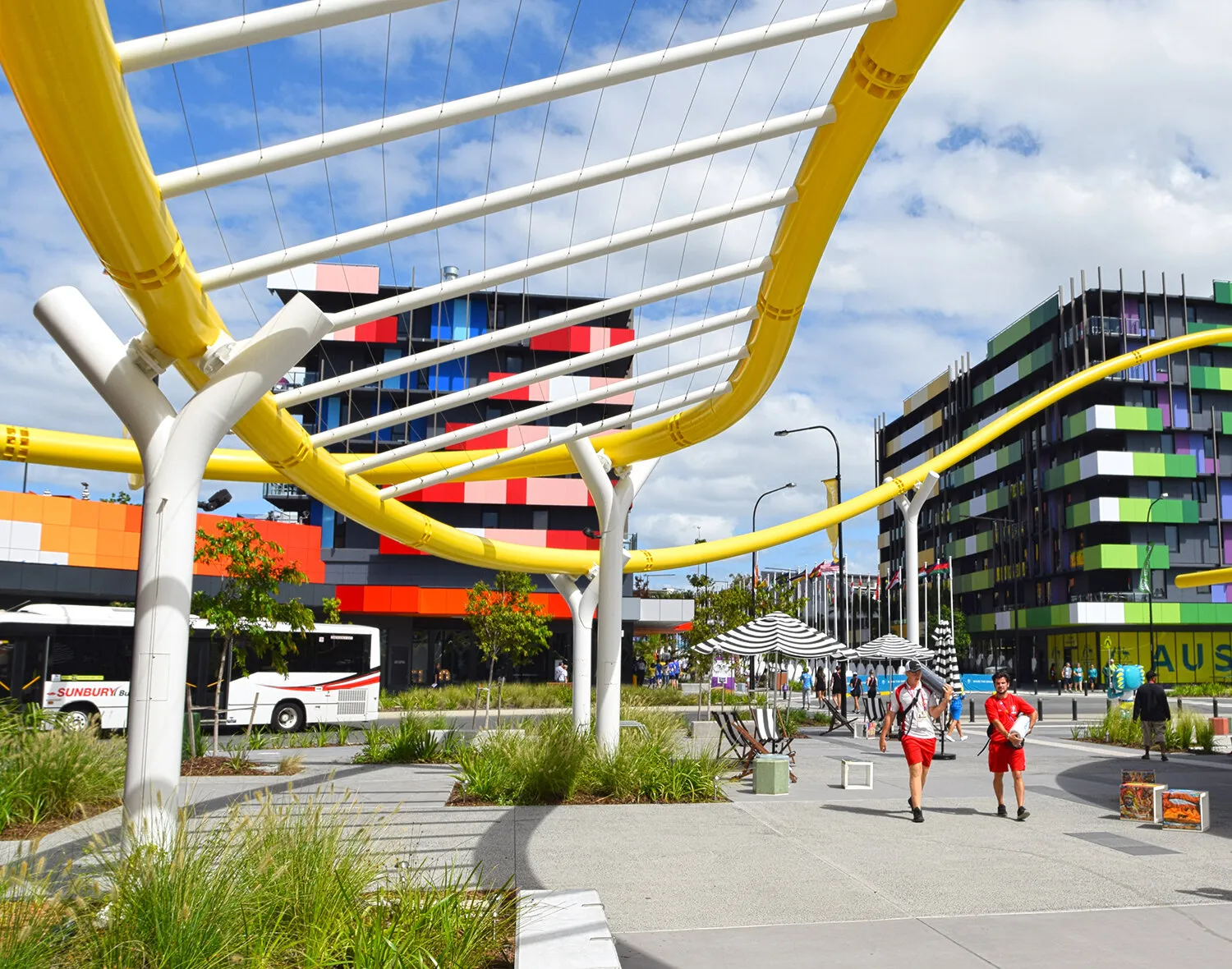
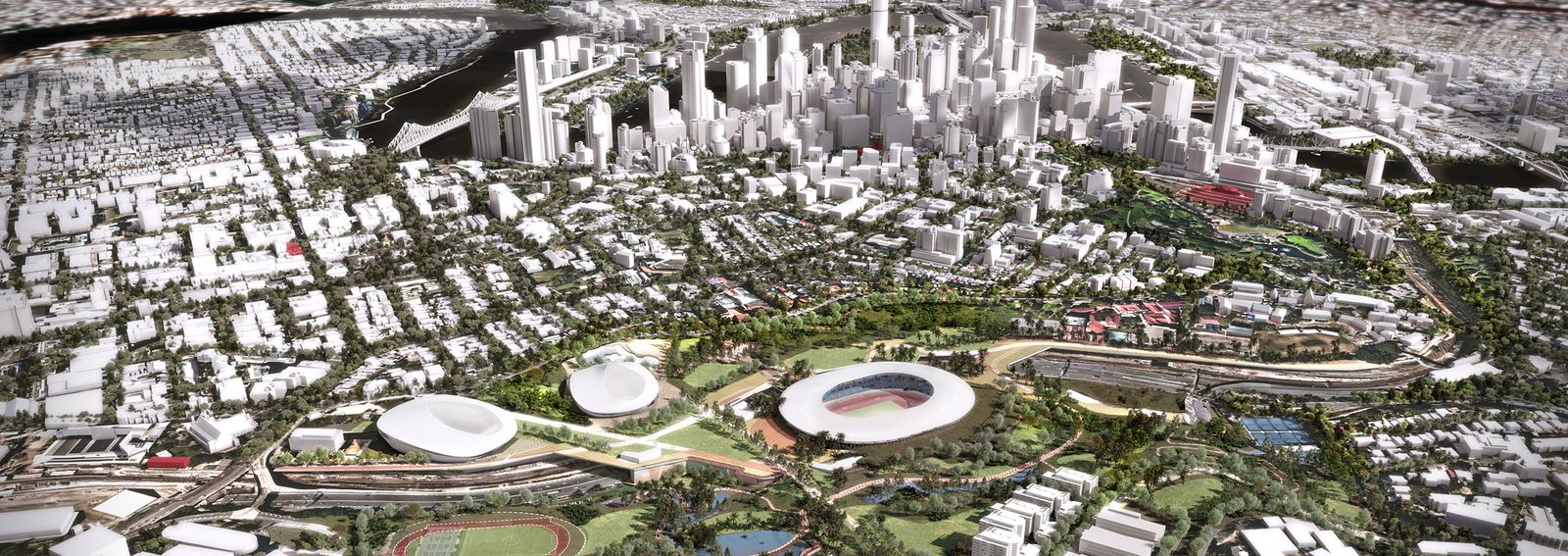
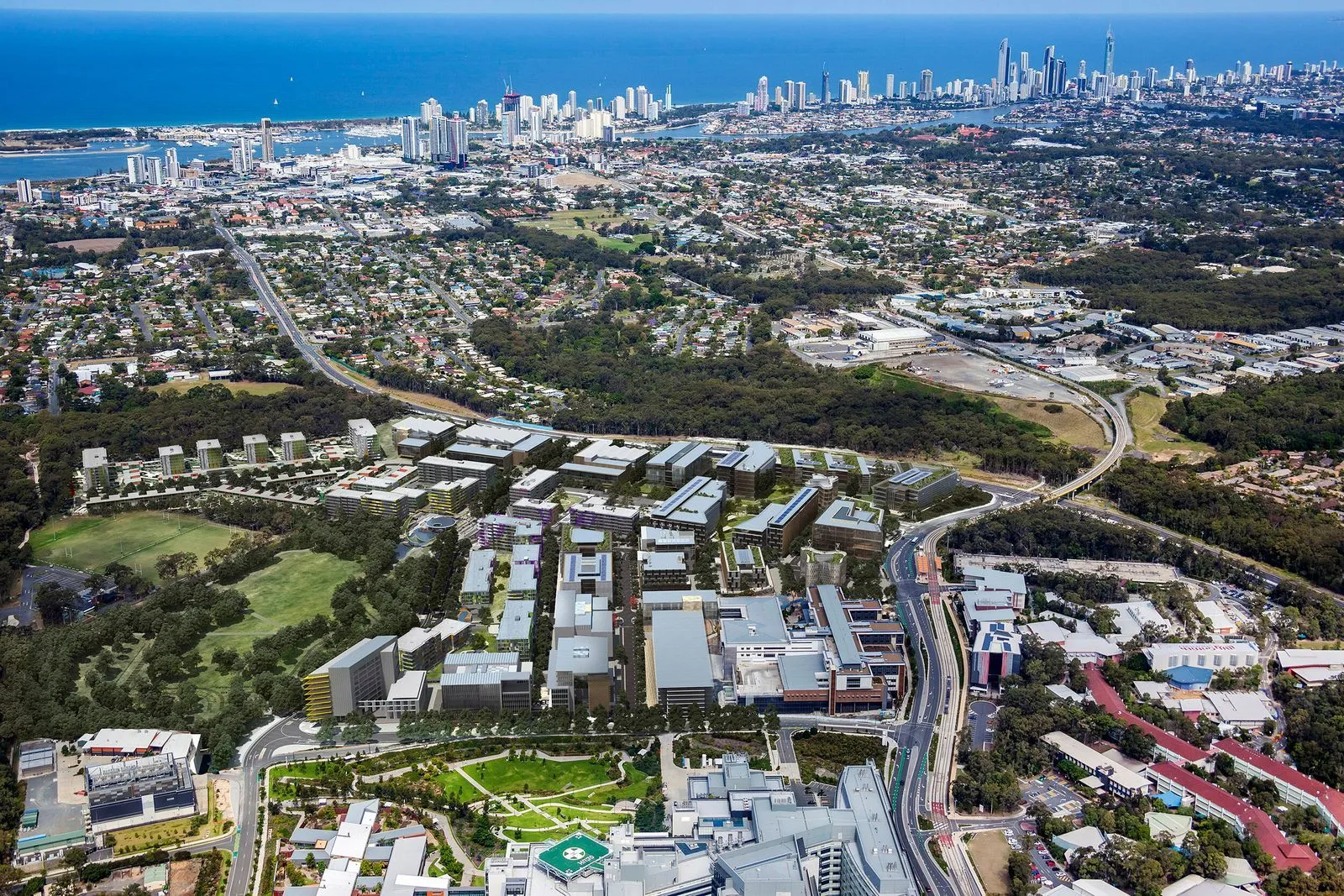
Knowing where you want to finish is crucial in understanding where to start. Legacy planning around major events requires careful consideration to ensure that the injection of capital is repaid downstream. The legacy post 2018 Gold Coast Commonwealth Games offers a good case study that is still playing out today. Recognised by the IOC as one of the best games villages in recent history, the groundwork for legacy success was established at the start.
Situating between a major tertiary institution and regional public and private hospitals invited the opportunity for future knowledge-based industries to establish with access to the researchers and patients important for research. Specialists teaching in academic programs and practicing in hospitals can access to space for private practice that through good design enables opportunities for collaboration and innovation.
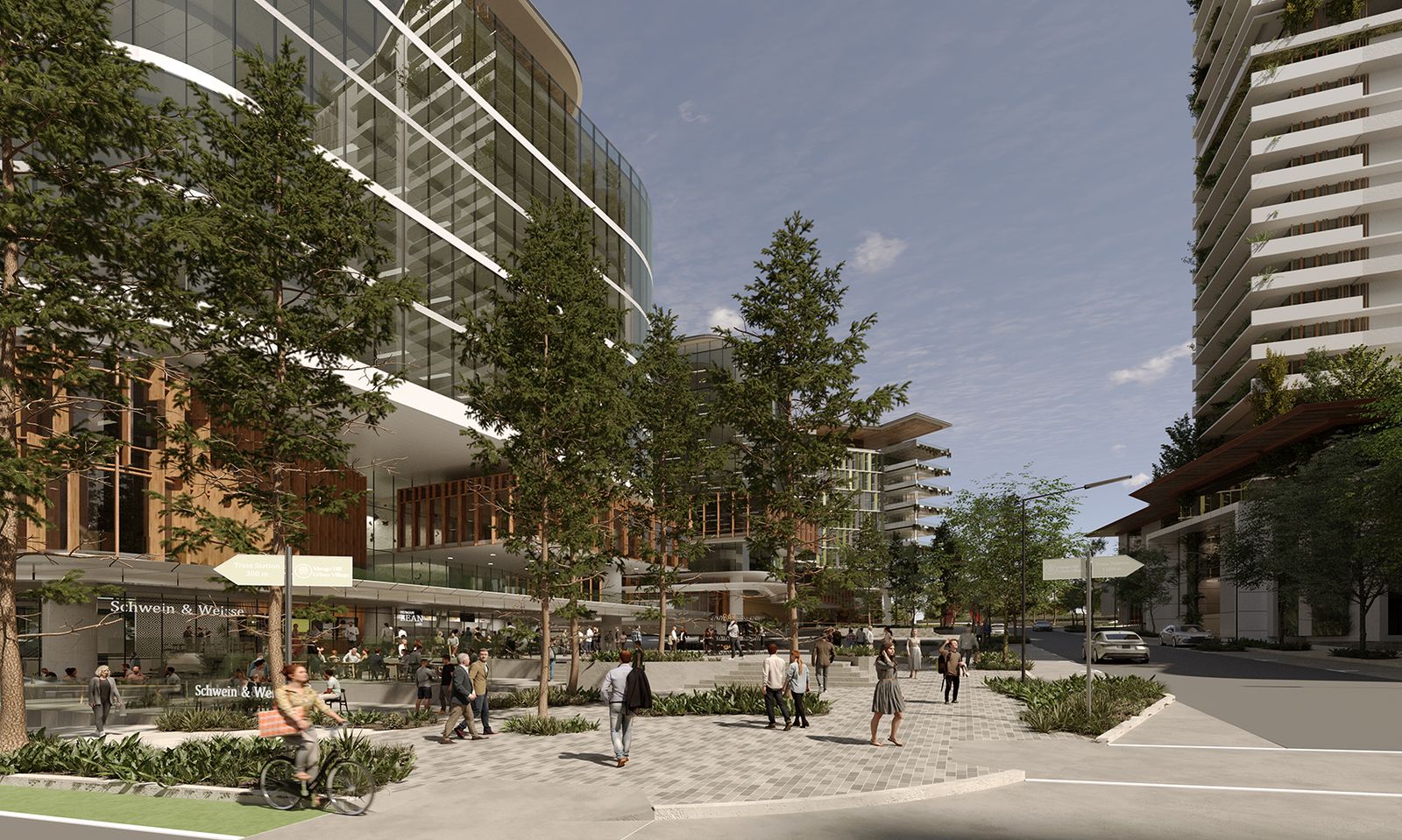
Importantly though is that knowledge precincts do not exist in isolation. Good transport connections and integration with the street network that enables future connectivity is crucial for knowledge precincts to grow up over time into vibrant and diverse neighbourhoods. Like the experience of Temple Bar in Dublin, a connected and vibrant city that supports a resident population; that drives a local economy; that supports local business; that draws people out to meet in public - are critical in enabling deliberate and serendipitous interactions. Our work with the 2018 Games Village recognised this and whilst the precinct is still growing, ultimately all the ingredients for a vibrant mixed-use district are in place. It is crucial to understand that functional knowledge precincts are driven by the good urban design, understanding that we continuing to develop.
.jpg)